
Uganda Declares End of 2026 Ebola Outbreak
Uganda has officially declared the end of the 2026 Ebola disease outbreak. (Ministry of Health press release)
This is good news for Uganda, for the tourism industry, for travel partners, and for safari guests planning journeys to the country in the months ahead.
On 28 July 2026, Uganda’s Ministry of Health announced that the country had completed the mandatory 42-day monitoring period with no new Ebola cases detected. The Ministry stated clearly that Uganda is now Ebola free and open for business, tourism, and all socio-economic activities.
For travellers, this is an important moment of reassurance.
Uganda remains one of Africa’s most rewarding safari destinations: mountain gorillas, chimpanzees, wildlife, birding, the River Nile, forests, savannahs, lakes, and warm local hospitality. This announcement helps restore perspective after a period when headlines may have caused concern, especially for guests planning long-haul travel from the United States.
At Nandi Adventures, we welcome this news with gratitude for Uganda’s health workers, Ministry of Health teams, border officials, local communities, tourism partners, and all those who worked to bring the outbreak under control.
When Did the 42-Day Countdown Begin?
The 42-day monitoring period began after the discharge of the last Ugandan national, a locally transmitted patient, on 16 June 2026.
This date is important.
The Ministry of Health explained that Uganda’s 2026 outbreak was different from some earlier Ebola outbreaks because it arose from a fully documented importation event. The source of infection was identified. The route of introduction was established. All confirmed cases were epidemiologically linked. Transmission chains were characterised and reconstructed. Identified contacts were quarantined and completed the mandatory 21-day follow-up period without further transmission.
After 42 days passed with no new cases detected, Uganda declared the outbreak ended on 28 July 2026.
For travellers and agents, the simple version is this:
Uganda completed the required monitoring period. No new Ebola cases were detected during that time. The outbreak has officially been declared over.
What Happened During the Outbreak?
Uganda declared the Ebola outbreak on 15 May 2026 after imported cases from the Democratic Republic of Congo were confirmed.
According to the Ministry of Health, Uganda registered a total of 20 confirmed cases. Of these, 18 people recovered and two sadly lost their lives. Fifteen of the cases were imported from the Democratic Republic of Congo, while five were Ugandan nationals who acquired the infection as care workers of imported cases.
This context matters.
Uganda’s outbreak was not an unexplained nationwide spread. It was a documented cross-border health event, linked to the wider outbreak in the Democratic Republic of Congo.
The Ministry also reported that enhanced surveillance detected no unexplained community transmission.
That is one of the most reassuring parts of the update.
Why This Is Reassuring for Travellers
For many travellers, the word “Ebola” naturally raises concern. That is understandable. A health alert can make a whole country feel uncertain from far away.
But the details are important.
Ebola does not spread like a common cold, flu, or other respiratory illness. Risk is linked to direct contact with the body fluids of someone who is sick with the virus, someone who has died from the virus, or contaminated materials. For most safari travellers following normal guidance and travelling on a carefully planned itinerary, this is a very different risk profile from an airborne illness.
The second point is Uganda’s experience.
Uganda has managed Ebola outbreaks before. The country has built public health capacity over many years, including disease surveillance, laboratory systems, contact tracing, isolation procedures, community health communication, and rapid-response coordination.
During this outbreak, the Ministry of Health highlighted rapid molecular diagnostics, whole genome sequencing, digital surveillance, real-time contact tracing, and strengthened incident management systems as part of the response.
These are not small details. They show that the response was structured, modern, and closely monitored.
Uganda Is Open for Tourism
The Ministry of Health has reassured Ugandans, visitors, investors, and the international community that Uganda is safe, the health system remains fully alert, and the country is open for business, tourism, and all socio-economic activities.
For safari travellers, this means Uganda remains open for responsible travel.
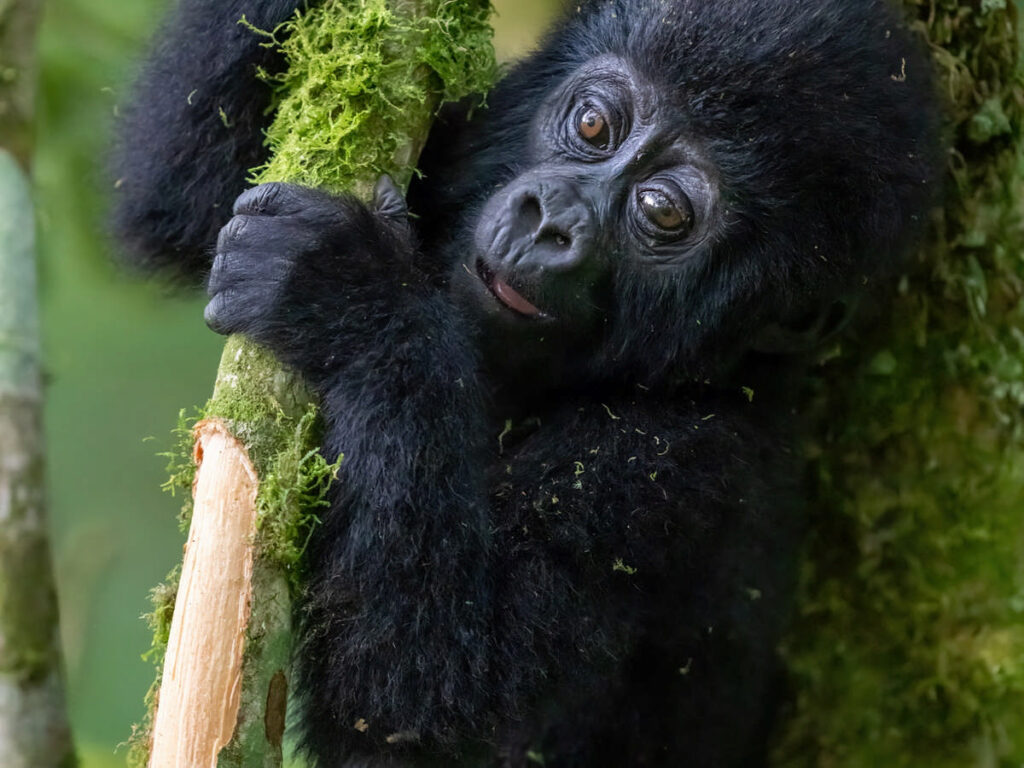
Gorilla trekking, chimpanzee tracking, wildlife safaris, birding, cultural experiences, and private tailor-made journeys continue. Travellers should still follow normal health guidance, check official travel updates before departure, and carry comprehensive travel insurance.
Uganda Remains Vigilant
This is a feel-good milestone, but it is not a reason for complacency.
The Ministry of Health has been clear that Ebola remains a regional threat, especially because the outbreak in the neighbouring Democratic Republic of Congo is still evolving.
Uganda is therefore continuing to strengthen surveillance and preparedness, especially in border districts. The Ministry also noted that Uganda has worked with the Government of the Democratic Republic of Congo on a cross-border Joint Ebola Response.
This includes support at the source of the outbreak, including mobile laboratories and Ebola Treatment Units in DRC locations. The logic is clear: containing an outbreak at its source helps protect both countries and the wider region.
For travellers, this should be reassuring. Uganda is not pretending the wider regional context does not exist. It is staying alert while remaining open.
That is the right balance.
What Nandi Adventures Is Doing
Nandi Adventures is a local, owner-led safari company based in Uganda. Our responsibility is to help guests and agents understand the facts, prepare properly, and travel with confidence.
Our approach includes:
- Monitoring updates from Uganda’s Ministry of Health, Uganda Wildlife Authority, tourism partners, CDC, WHO, and other relevant sources.
- Sharing practical pre-travel information with booked guests and trade partners.
- Working closely with lodges, guides, transport teams, park partners, and ground teams.
- Reviewing health and travel requirements before arrival.
- Supporting guests with itinerary-specific guidance.
- Maintaining practical hygiene and care during safari operations.
- Advising guests to travel with full international travel insurance.
All Nandi Adventures itineraries include local medical evacuation support through AMREF Flying Doctors. This is evacuation support only and does not replace comprehensive travel insurance. Guests should still travel with insurance that covers medical treatment, trip interruption, cancellation, emergency support, and evacuation.
What About Gorilla and Chimpanzee Trekking?
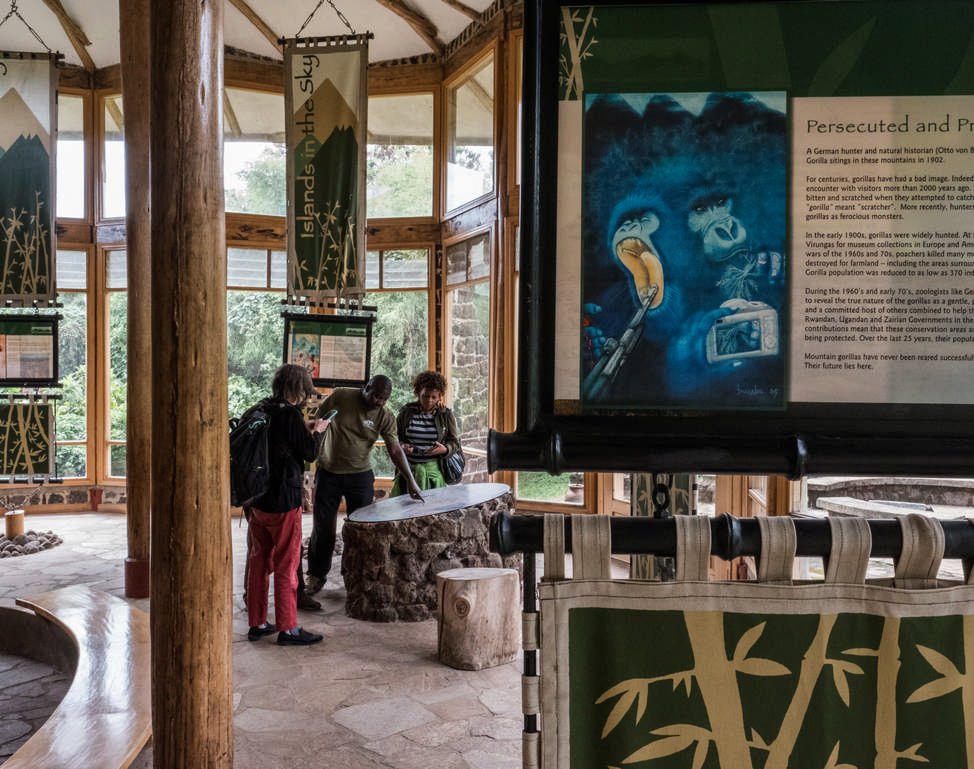
Gorilla and chimpanzee trekking are among Uganda’s most carefully managed tourism experiences.
Gorilla trekking takes place under the supervision of Uganda Wildlife Authority, park rangers, and conservation teams. Visitor numbers are controlled, briefing is required, and trekking is managed within official park protocols.
For guests who previously delayed travel because of Ebola-related concerns, Nandi Adventures can advise on the latest position regarding gorilla permit rescheduling, chimpanzee permits, lodges, flights, and supplier terms.
Now that Uganda has declared the outbreak over, we expect traveller confidence to improve. For guests planning future safaris, this is a strong moment to revisit Uganda with confidence.
A Note for Travel Agents
For our travel trade partners in the United States and other markets, this update is important.
Clients may have seen headlines about Ebola but may not have followed the full story. The clear message is:
Uganda declared the 2026 Ebola outbreak on 15 May 2026. The formal 42-day monitoring period began after the discharge of the last Ugandan national, a locally transmitted patient, on 16 June 2026. On 28 July 2026, Uganda declared the outbreak ended after no new Ebola cases were detected during the monitoring period.
Uganda is open for tourism.
The health system remains alert.
Safari operations continue.
Nandi Adventures is monitoring official guidance and supporting guests on the ground.
This is the message we recommend sharing with clients: calm, factual, and reassuring.
Why This Matters for Uganda Tourism
Health headlines can affect travel confidence quickly. They can also make a destination feel smaller than it is.
Uganda is not defined by this outbreak.
Uganda is a country of mountain gorillas, chimpanzees, lions, elephants, birds, forests, wetlands, crater lakes, the Nile, national parks, cultural heritage, and deeply welcoming people.
It is also a country with real experience in public health response.
This successful declaration helps travellers see the fuller picture. Uganda responded. Uganda monitored. Uganda contained. Uganda remained alert. And now Uganda has officially declared the outbreak ended.
That deserves recognition.
Our Advice to Travellers
If you are planning a Uganda safari, we recommend the following:
- Check official travel guidance close to departure.
- Make sure your routine vaccinations and travel medicines are up to date.
- Speak to a travel health professional before departure, especially if travelling from the United States.
- Carry comprehensive travel insurance.
- Travel with a local safari company that can support you on the ground.
- Follow any airport, border, park, or lodge health guidance in place at the time of travel.
- Most of all, make decisions based on current facts, not old headlines.
Our View
This is a positive and reassuring moment.
Uganda has completed the mandatory 42-day monitoring period. No new Ebola cases were detected during that time. The Ministry of Health has declared the 2026 Ebola outbreak over.
Uganda is open for tourism, and the country remains alert, prepared, and experienced.
For travellers who have been waiting for clearer news, this is the update they needed.
For agents selling Uganda, it is a strong confidence point.
For guests planning gorilla trekking, chimpanzee tracking, birding, wildlife safaris, or wider East Africa journeys, Uganda remains one of the most meaningful safari destinations in Africa.
At Nandi Adventures, we continue to welcome guests with care, honesty, local knowledge, and practical support.
Plan Your Uganda Safari With Confidence
Nandi Adventures designs private, tailor-made safaris across Uganda and East Africa.
Whether you are planning gorilla trekking in Bwindi, chimpanzee tracking in Kibale, wildlife in Queen Elizabeth or Murchison Falls, birding, cultural experiences, or a wider Uganda-Kenya-Tanzania journey, our team can help you plan with clarity and confidence.
Uganda is open. Uganda is ready. And Uganda’s safari story continues.
FAQ
Has Uganda declared the end of the 2026 Ebola outbreak?
Yes. Uganda’s Ministry of Health declared the end of the 2026 Ebola disease outbreak on 28 July 2026 after the country completed the mandatory 42-day monitoring period with no new Ebola cases detected.
When did Uganda’s 42-day Ebola countdown begin?
The Ministry of Health states that the 42-day monitoring period began after the discharge of the last Ugandan national, a locally transmitted patient, on 16 June 2026.
Is Uganda Ebola free now?
Yes. Uganda’s Ministry of Health has declared the country Ebola free following the successful completion of the mandatory 42-day monitoring period.
Is Uganda open for safari tourism?
Yes. Uganda is open for tourism. Gorilla trekking, chimpanzee tracking, wildlife safaris, birding, and private tailor-made journeys continue.
Where did Uganda’s 2026 Ebola outbreak come from?
The Ministry of Health states that the outbreak arose from a fully documented importation event linked to the Democratic Republic of Congo. Fifteen of Uganda’s confirmed cases were imported from DRC, while five were Ugandan nationals who acquired the infection as care workers of imported cases.
How many Ebola cases did Uganda record in the 2026 outbreak?
Uganda recorded 20 confirmed cases. Eighteen people recovered, and two sadly lost their lives.
Is Ebola spread through the air?
Ebola does not spread like common respiratory illnesses. Risk is linked to direct contact with the body fluids of someone who is sick with the virus, someone who has died from the virus, or contaminated materials.
Does Nandi Adventures support guests during health alerts?
Yes. Nandi Adventures monitors official updates, communicates with guests and agents, works with local partners, and provides itinerary-specific support before and during travel.
Sources