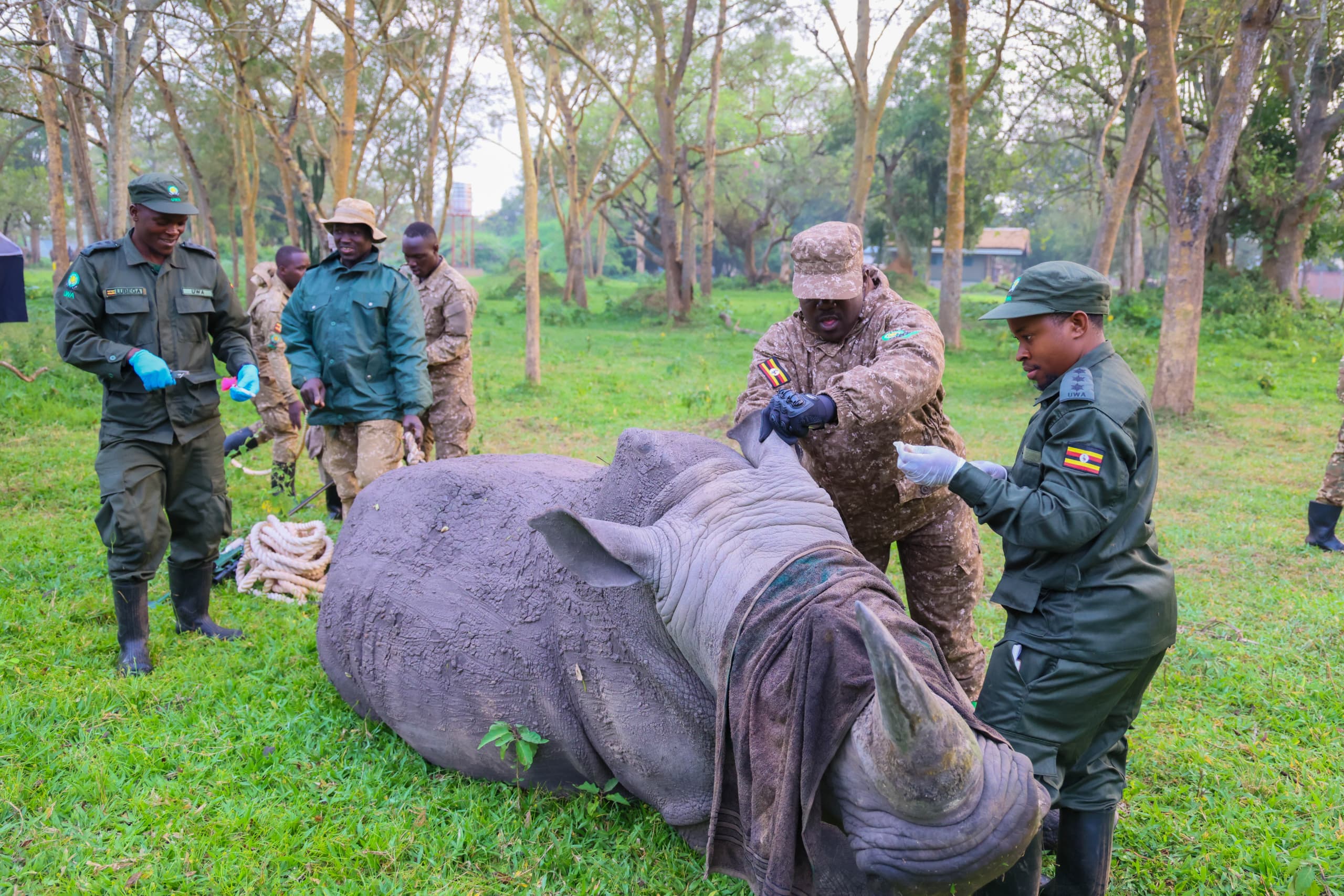
Rhinos return to Kidepo Valley National Park in Uganda after 43 years. The reintroduction, led by Uganda Wildlife Authority, involves relocating southern white rhinos from Ziwa Rhino Sanctuary into a secure sanctuary within the park. This marks a major step in restoring Uganda’s ecosystems and expanding rhino conservation beyond a single location.
Uganda’s wildlife story is changing again.
For many years, seeing rhinos in Uganda meant visiting one place: Ziwa Rhino Sanctuary. It was a powerful success story. From just a small founding group in 2005, rhinos were brought back from extinction in the wild.
But conservation does not end with survival. It moves toward something greater. Restoration.
Today, that next chapter is unfolding. And it is happening in one of Africa’s most remote and remarkable landscapes.
A Historic Return to Kidepo Valley National Park
In March 2026, Uganda reached a defining moment. Rhinos are returning to Kidepo Valley National Park for the first time in over four decades.
The first group of southern white rhinos has already begun the journey from Ziwa Rhino Sanctuary. A total of eight rhinos are planned for translocation as part of this initial phase. This is not a symbolic move. It is a carefully planned step in a long-term national strategy to restore rhinos to their natural range.
Kidepo, once home to rhinos until 1983, is now ready to welcome them again.
Why Kidepo Matters
Kidepo Valley National Park is often described as Uganda’s most untouched wilderness. Wide open savannah. Rugged mountains. Vast, quiet landscapes. It is also one of the most ecologically intact parks in East Africa.
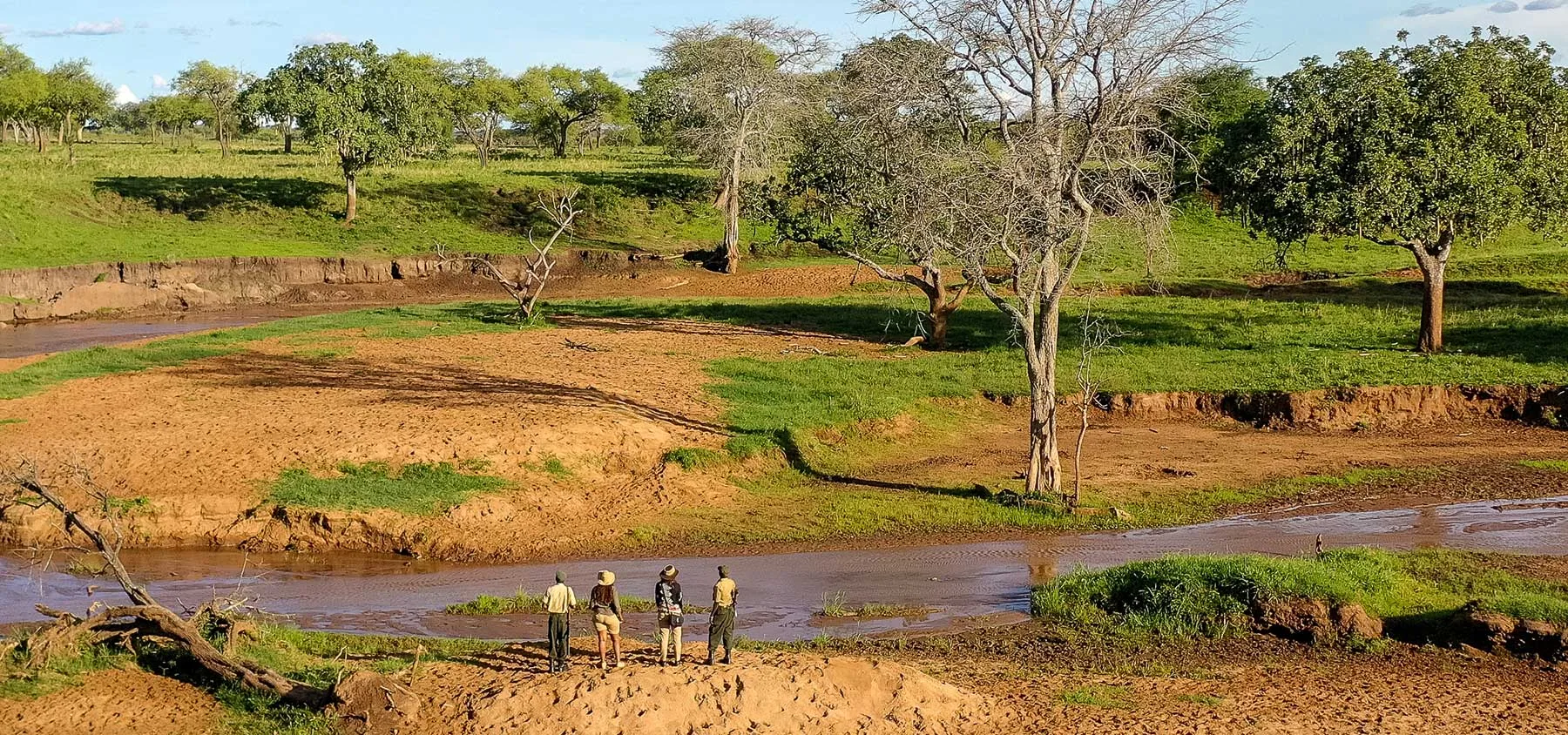
The return of rhinos here is about more than a single species. It is about restoring balance.
As conservation experts have noted, rhinos play a key role in shaping ecosystems. Their presence strengthens biodiversity and supports the long-term health of the landscape.
In simple terms, this is about making the ecosystem whole again.
A Careful and Intentional Process
This reintroduction is not rushed. The rhinos are first being placed in a secure sanctuary within Kidepo, where they are closely monitored by rangers and veterinary teams.
Extensive preparation has already taken place, including:
- Perimeter fencing for protection
- Ranger outposts and monitoring systems
- Water infrastructure and access routes
- Firebreaks to protect habitat
All of this ensures the rhinos can adapt safely before any wider release into the park. This is conservation designed for the long term, not for quick results.
From Ziwa to a National Vision
To understand this moment, you have to look back. Uganda lost its rhinos in the wild due to poaching and instability in the 1970s and 1980s. The recovery began in 2005 at Ziwa Rhino Sanctuary.
Today, Uganda has grown that population to over 60 rhinos. That success created a new question: What comes next?
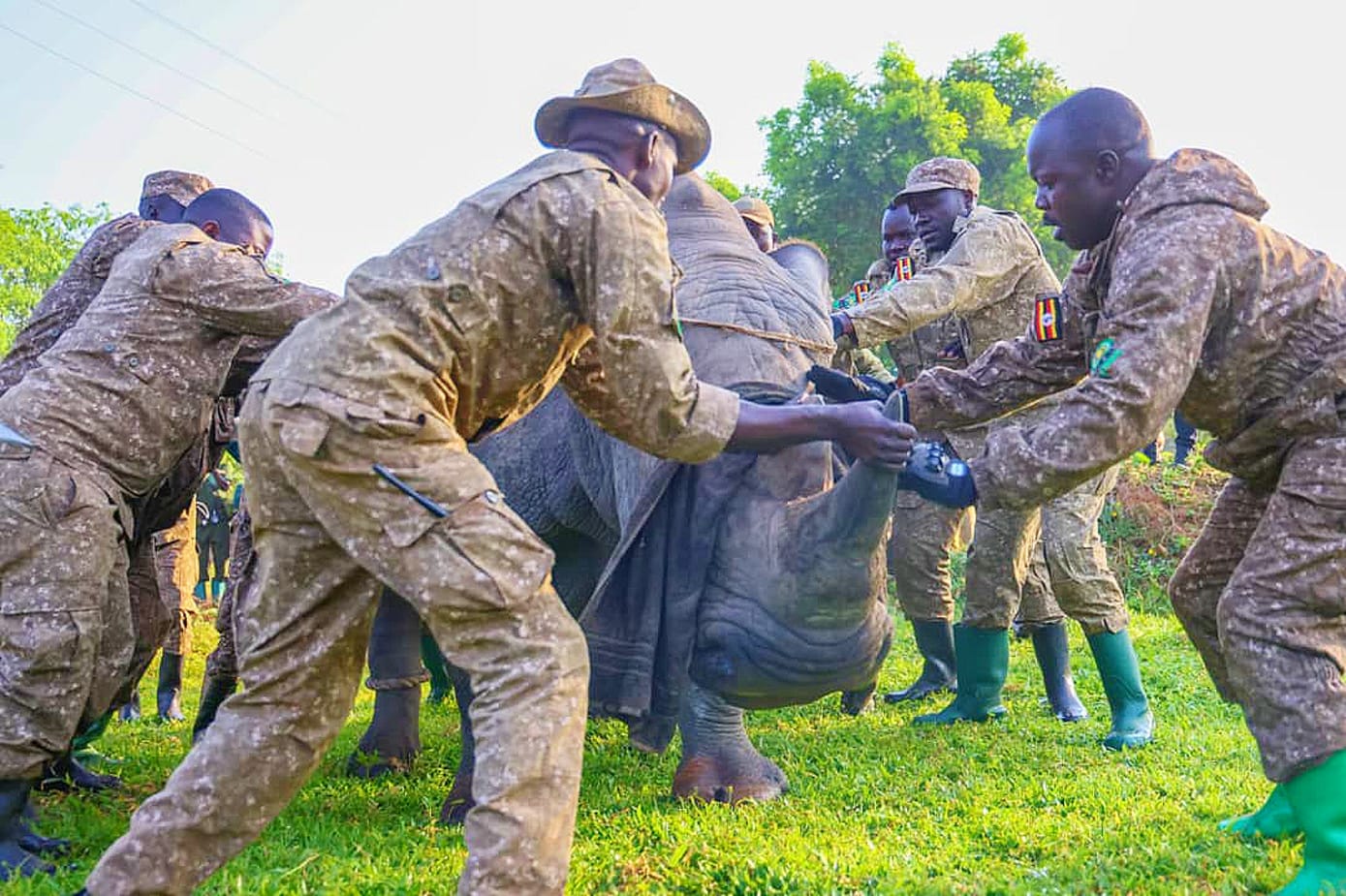
The answer is now clear. Expansion. From Ziwa, to new landscapes like Kidepo, Uganda is moving from protecting rhinos to restoring them.
What This Means for Travel
For now, rhino tracking in Kidepo is not part of a standard safari. And that is exactly as it should be. This is an early stage. A quiet phase. A foundation being built. But for travelers who value meaning in their journeys, this moment matters.
Because it reflects a deeper shift:
- From conservation in one place → to conservation across landscapes
- From protecting species → to restoring ecosystems
- From recovery → to renewal
And that changes how you experience Uganda.
Seeing Beyond the Present
At Nandi Adventures, we believe that the most meaningful safaris are not only about what you see today.
They are about understanding what is happening behind the scenes. Game drives and walking safaris in Kidepo in the coming years will be different. Not because you will immediately see rhinos. But because you will know they are returning.
The Long View of Conservation
Rhinos do not come back overnight. It takes years to build populations. Decades to restore ecosystems. And local communities around the parks to adapt and become part of the conservation story.
Uganda now has the foundation:
- Strong conservation leadership
- Proven success at Ziwa
- Prepared landscapes like Kidepo
- Partnerships supporting long-term protection
- Continuing engagements where the communities neighboring the parks benefit from the conservation programs.
For the first time in a long time, the question is no longer whether rhinos can survive in Uganda. It is how far they will return.
FAQ – Rhinos Return to Kidepo Valley National Park
Can you see rhinos in Kidepo Valley National Park right now?
Not yet. Rhinos have recently been reintroduced to Kidepo and are currently being monitored within a secure sanctuary as they adapt to their new environment. Over time, they may be gradually released into the wider park.
Where can you see rhinos in Uganda today?
At present, the only place to reliably see rhinos in Uganda is Ziwa Rhino Sanctuary. It is a protected conservation area where rhinos can be tracked on foot with expert guides.
Why did rhinos disappear from Uganda?
Rhinos were wiped out in Uganda during the 1970s and early 1980s due to poaching and political instability. The last rhino in Kidepo Valley National Park was recorded in 1983.
Why is the return of rhinos to Kidepo important?
This marks a major shift from simply protecting wildlife to restoring entire ecosystems. Kidepo Valley National Park is one of Africa’s most intact savannah ecosystems, and the return of rhinos helps rebuild ecological balance.
How many rhinos are in Uganda today?
Uganda currently has a growing population of over 60 southern white rhinos, primarily based at Ziwa Rhino Sanctuary, with expansion now beginning into other protected areas.
How are rhinos being reintroduced into the wild?
Rhinos are carefully translocated from Ziwa Rhino Sanctuary to protected areas like Kidepo Valley National Park. They are first placed in secure, monitored environments before any wider release.
Is Kidepo Valley National Park worth visiting?
Yes. Kidepo Valley National Park is one of Africa’s most remote and least crowded safari destinations, offering exceptional wildlife, dramatic landscapes, and a truly exclusive experience.
What animals can you see in Kidepo besides rhinos?
Kidepo is known for lions, elephants, buffalo, giraffes, cheetahs, and a wide range of birdlife. It offers one of the most diverse wildlife experiences in Uganda.
How does Kidepo compare to other Uganda safari destinations?
Compared to parks like Bwindi Impenetrable National Park (known for gorilla trekking), Kidepo offers a classic savannah safari experience with fewer visitors and more remote landscapes.
Can you combine rhino tracking with gorilla trekking in one safari?
Yes. A well-designed Uganda safari can include rhino tracking at Ziwa Rhino Sanctuary and gorilla trekking in Bwindi Impenetrable National Park, creating a diverse and immersive experience.
What is the best time to visit Uganda for a safari?
Uganda is a year-round destination, but the dry seasons (June–September and December–February) are generally considered best for wildlife viewing and gorilla trekking.
Is Uganda a luxury safari destination?
Yes. Uganda offers a growing selection of high-end lodges, private guides, and tailor-made experiences, making it an ideal destination for luxury and exclusive safaris.
How difficult is gorilla trekking in Uganda?
Gorilla trekking can be physically demanding due to steep terrain and altitude, particularly in Bwindi Impenetrable National Park. However, treks are guided and paced according to guests’ abilities, making it accessible to most travelers with reasonable fitness.
What should I pack for a Uganda safari?
Key items include lightweight clothing, sturdy hiking boots, rain protection, insect repellent, and a camera. Packing needs vary depending on activities such as gorilla trekking or savannah safaris.
The Giant Under the Armor — Rhino Essentials
- African rhinos—both the black and white species—are far more complex than their “tank-like” appearance suggests. While they may look like prehistoric relics, they are highly sensitive, social, and specialized survivors. As you watch them move through the Ugandan scrub, keep these fascinating traits in mind:
- The Name Game: Interestingly, both species are actually grey. The “white” rhino’s name is likely a mistranslation of the Afrikaans word wyd (wide), describing its broad, flat lip perfect for lawn-mower style grazing. The “black” rhino, by contrast, has a pointed, prehensile lip designed for plucking leaves from high branches.
- A “Crash” of Personality: A group of rhinos is aptly called a “crash.” While they can be solitary, these social gatherings are often centered around communal dung piles known as middens. These act as the savanna’s “social media hubs,” where rhinos leave scent-based messages to communicate territory and health to others.
- Composition of a Legend: That iconic horn isn’t bone—it’s made of keratin, the exact same protein found in your own hair and fingernails.
- The Mud Spa: Their skin may look like iron plating, but it is surprisingly sensitive to sunburn and biting insects. To combat this, rhinos are frequent visitors to mud wallows, creating a “built-in sunscreen” that keeps them cool and protected.
- Blindly Powerful: A rhino’s eyesight is quite poor; they struggle to see a stationary person just 30 meters away. To compensate, they possess an acute sense of smell and a symbiotic relationship with oxpeckers (or “rhino birds”). These birds feast on ticks and act as a living alarm system, screaming to warn their hosts of approaching danger.
- Speed & Scale: As the world’s second-largest land mammal, a white rhino can consume up to 50 kg of grass in a single day. Don’t let the 5,000-pound (2,300 kg) frame fool you—if they need to move, they can sprint at a staggering 30-40 mph (48 km/h).
- Unexpected Kinship: Evolutionarily, rhinos are odd-toed ungulates. This means their closest living relatives aren’t elephants or hippos, but rather horses and tapirs.